TNR (Trap-Neuter-Return)
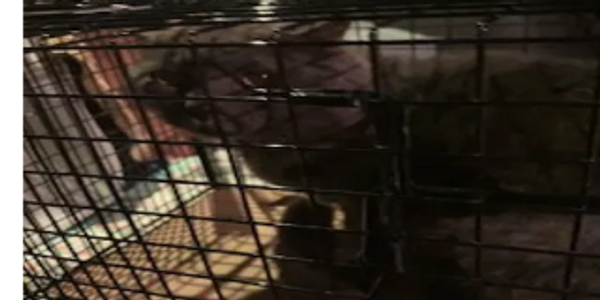
What is TNR
TNR, or Trap-Neuter-Return, is a humane and effective approach to managing feral cat populations. It involves three main steps: trapping, neutering or spaying, and returning. This method helps reduce the number of stray cats and improves their quality of life
TNR Process
How Is TNR Done
1. Trap
- Humane Trapping: Special traps are used to safely capture feral cats without causing harm. These traps are designed to close securely once the cat enters, ensuring they remain safe until they can be transported.
- Timing and Location: Trapping is often conducted during specific times, such as early morning or late evening, when cats are more active. Locations can include colonies where feral cats are known to gather.
2. Neuter
- Veterinary Care: Once trapped, the cats are taken to a veterinary clinic where they undergo sterilization. This is typically done through spaying (for females) and neutering (for males).
- Health Check: During the surgery, the cats may also receive vaccinations and a health check-up. This ensures that they are healthy and helps prevent the spread of diseases.
3. Return
- Reintroduction to Habitat: After recovery from surgery, the cats are returned to their original location. This is crucial because they are familiar with the area and can find food, shelter, and social structures.
- Monitoring: Some TNR programs may involve monitoring the cats after their return to ensure they are adapting well and to provide additional support if needed.
Ways To Trap
TNR Process
Trigger Trap
Trigger Trap
A trigger trap is a type of cage trap designed to capture animals when they step on a trigger plate, which releases a door that closes behind them.
How It Works:
- Setup: Place the trap in an area frequented by the cat, ensuring it’s stable and secure.
- Baiting: Use enticing bait (like tuna or cat food) to lure the cat inside.
- Trigger Mechanism: When the cat enters and steps on the plate to reach the bait, the door closes, trapping the cat inside.
Drop Trap
Drop Trap
A drop trap is a larger trap that you manually set up.
**How It Works**:
- Setup: The trap is positioned over a bait area, and propped up. A string is then tied to Trap.
- Baiting: Similar to trigger traps, you place bait to entice the cat to enter the trap. Its important to place the bait at the very back and center of the trap.
- Drop Mechanism: When the cat is completely under the trap, you pull the string and the trap falls over the cat.
- Transferring the cat: Once the cat in under the trap, hook up a transfer case or a trigger trap to the door and safely move the cat.
TNR Benefits
TNR Process
The Benefits of TNR
Benefits of TNR
-Population Control: By neutering the cats, TNR effectively reduces the number of kittens born each year, helping to stabilize and eventually decrease feral cat populations.
- Improved Health: Neutering reduces the risk of certain diseases and health issues in cats, leading to longer and healthier lives.
- Community Benefits: TNR can help reduce nuisance behavior associated with feral cats, such as yowling and fighting, thus improving relationships with community members.
- Animal Welfare: This method is more humane than euthanasia, as it allows feral cats to live out their lives without contributing to overpopulation.
-Human Benefit: The cats are now healthy and no longer interested in seeking a mate. Having the cats around is a natural alternative to pest control for pests such as rats and mice.
This website uses cookies.
We use cookies to analyze website traffic and optimize your website experience. By accepting our use of cookies, your data will be aggregated with all other user data.